



Program’s Head: G. Papatheodorou, Professor
From the academic year 2018-2019, the reformed MSc in Environmental Sciences, approved and published in the Government Gazette 2397/22.6.2018 Vol.B, based on the provisions of Law 4485/2017, is in operation. The subject of the Inter-departmental Master’s Programme is the interdisciplinary field of Environmental Sciences of Biology, Physics, Chemistry, Earth Sciences, Materials Sciences and Applied Mathematics. The program has a duration of four semesters and is addressed to graduates of Faculties of Natural Sciences, Engineering, Agriculture, Medicine and other environment-related Faculties of Universities of Applied Sciences. The aim of the program is to provide the above-mentioned graduates with high quality education, specialization in the analysis of environmental issues, study and management of environmental processes and problems, and the possibility of conducting research for scientific progress in the field of environment.

The Interdepartmental MSc awards a Master’s degree in the interdisciplinary field of “Environmental Sciences”. The degrees are awarded jointly by the cooperating departments, whose names appear on the diplomas.
The MSc courses are semester-long and include lectures, tutorials, laboratory exercises, field exercises, seminars, etc.
The MSc degree requires the successful completion of all required courses, at least two elective courses, and the completion of the dissertation.
The maximum number of admissions is set at twenty (20).
Semester Α΄
| Code | Compulsory Courses | ECTS |
| ESC01 | Principles in Environmental Physics | 8 |
| ESC03 | Applied Ecology | 6 |
| ESC04 | Ecological Genetics and Ecotoxicology | 8 |
| ESC07 | Aquatic Chemistry | 8 |
| ECTSs Total | 30 |
Εξάμηνο Β’
| Code | Compulsory Courses | ECTS |
| ESC02 | Atmospheric Chemistry | 8 |
| ESC05 | Environmental Geology | 8 |
| ESC06 | Statistical Methodology | 8 |
| ESC08 | Elements of Environmental law & Management | 6 |
| ECTSs Total | 30 |
Εξάμηνο Γ’
| Code | Two of the Following Electives (student’s choice) | ECTS |
| ESOOl | Pollution gases, solids and liquids | 6 |
| ESO02 | Special topics of Environmental Geology | 6 |
| ESO03 | Specific issues of Pollution | 6 |
| ES004 | Uses Energy and Environment | 6 |
| ES005 | Methods of Environmental Impact Assessment | 6 |
| ES006 | Multivariate Statistical Analysis | 6 |
| ES007 | Adaptive Mechanisms of Animal Organisations | 6 |
| ES008 | Indoor Pollution | 6 |
| ES009 | Environmental Applications and Impacts of nanotechnology | 6 |
| ESC09 | Research Project (Initiation) | 18 |
| ECTSs Total | 30 |
Εξάμηνο Δ’
| Code | Course | ECTS |
| ESC09 | Research Project | 30 |
| ECTSs Total | 30 |
Program’s Head: G. Papatheodorou, Professor
The MSc “Oceanography: Exploration, Mapping and Management of the Marine Environment” aims to provide high quality postgraduate education and to train young scientists to develop and apply methodologies and techniques on issues related to the management of marine engineering projects, the protection of the marine environment in cases of pollution and degradation, the assessment of fish stocks and fisheries management, the basic techniques and methods of aquaculture, the promotion of the marine environment. Scientists will be able to work in private and public services and organizations, implement European directives related to the marine environment or pursue doctoral studies.
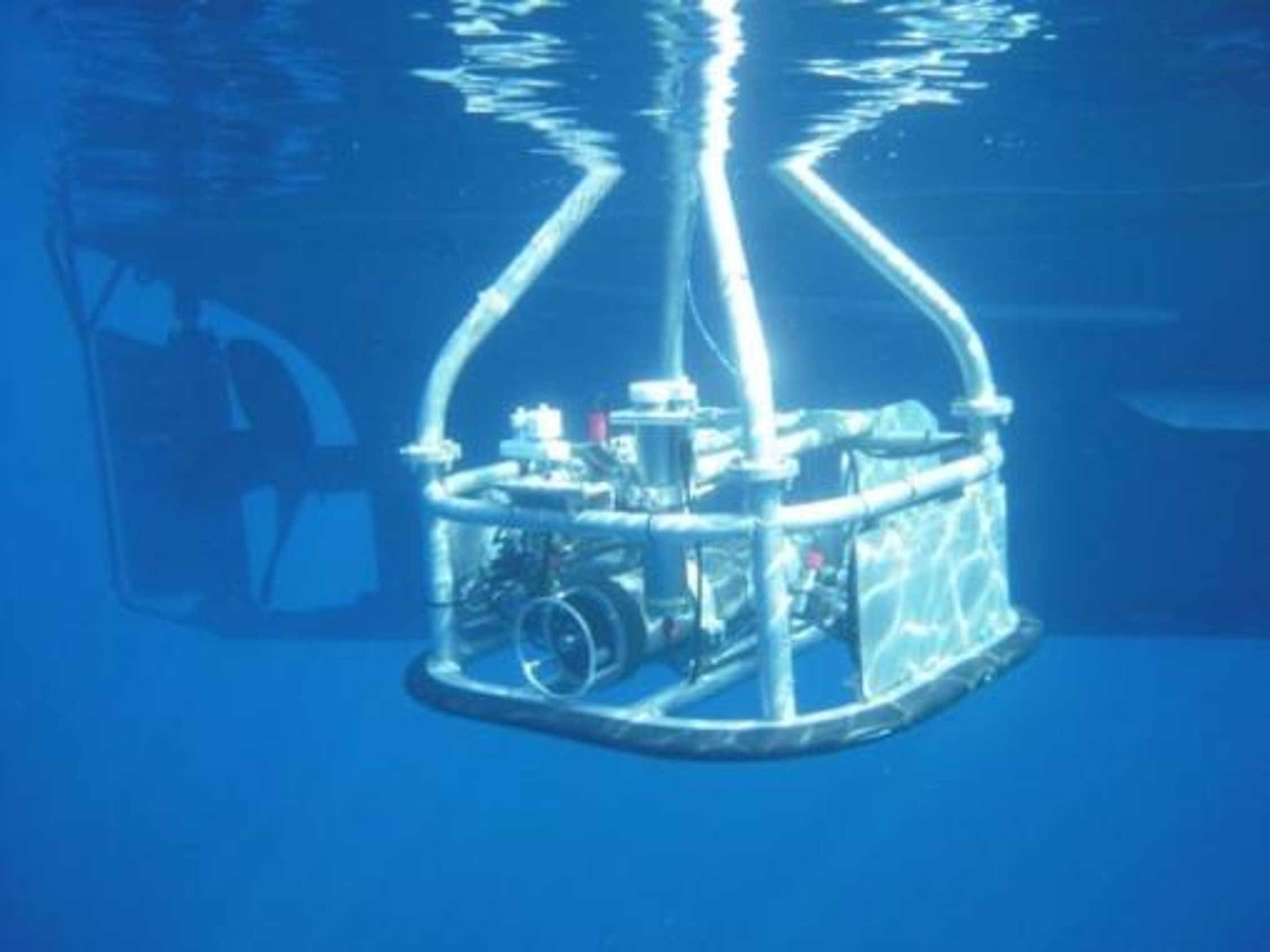
The program admits graduates of the Faculties of Natural Sciences, Engineering, Archaeology-Humanities, Agriculture, Environment and Marine Sciences and other faculties of related subjects, of universities in Greece and similar recognized institutions abroad, as well as graduates of the departments of the corresponding specializations of the Universities of Applied Sciences, according to art. 5 par. 12c of Law 2916/01 (Government Gazette 104A). The maximum number of admissions to the program per year is set at fifteen (15).
The duration for the award of the MSc Diploma is three (3) academic semesters.
According to the Government Gazette 3246/24.6.2022 (Β’) the postgraduate programme is announced every year.
The total number of credits (ECTS) required for the award of the degree is 90. The courses of the MSc are semester courses. The teaching of the courses and the writing of the Dissertation Research Project is in Greek and/or in English, in the case that foreign-language postgraduate students are also enrolled in the MSc.
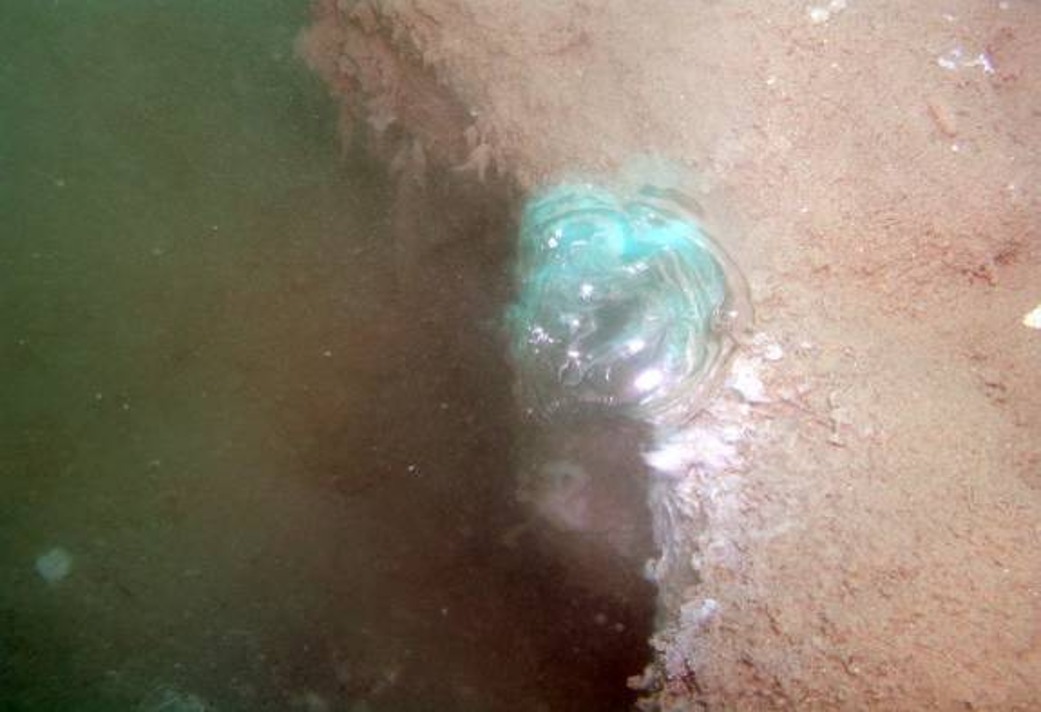
In order to obtain the MSc Diploma, students are required to attend and pass a total of 8 semester courses (5 compulsory courses in the first semester, 1 compulsory course in the second semester, 1 elective course in the second semester and 1 compulsory participation in an Outdoor Project), and to successfully complete the Diploma Research Project in the second and third semester. The courses are credited with a total workload of 42 ECTS and the Dissertation Research Project with a total workload of 48 ECTS.